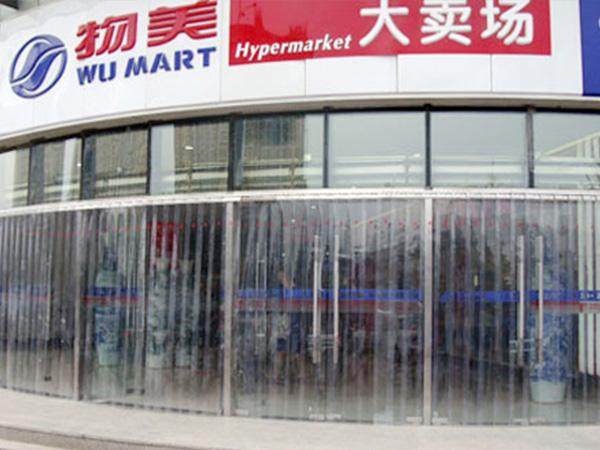
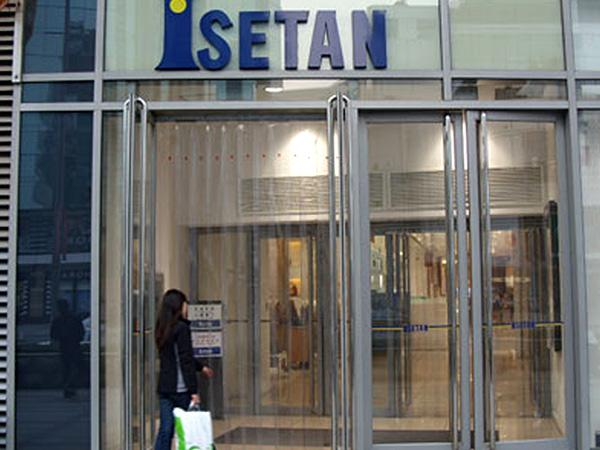
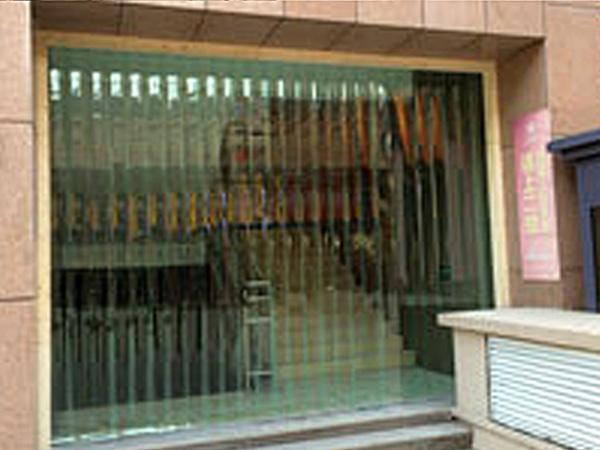
Material: Mainly PVC, with some additives such as antistatic agents and flame retardants added to enhance functionality.
High transparency: Light transmittance typically ranges from 85% to 95%, without affecting sightlines or daylighting.
Versatility:
Blocks hot and cold air, reducing energy consumption by about 30%-50%
Windproof, dustproof, and insect-proof (especially the orange yellow version for repelling insects)
Some have special properties such as fire resistance, anti-static, and cold resistance
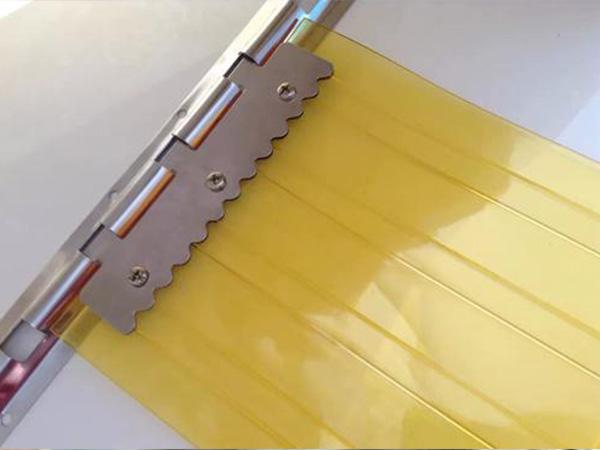
Easy installation: Uses a suspended frame (iron, stainless steel, aluminum alloy, etc.), allowing for single-layer or double-layer overlapping connections without the need to modify the door frame.
Economical and durable: low cost, long lifespan, easy maintenance, and can be cleaned with a damp cloth or warm water.
Common specifications and types
Width: commonly 150mm-300mm, custom up to 1.72 meters
Thickness: 0.2mm-5mm
Special types (derived from the usual base):
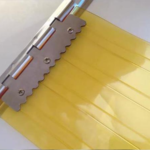
Colors: transparent, milky white, light green, light blue, orange yellow (insect-proof version), etc
Insect-proof soft door curtain: orange, reflecting insect-repellent light waves
Low-temperature soft door curtains: can remain soft from -40°C to -70°C, suitable for cold storage
Magnetic/self-absorbing soft door curtains: have magnets at the bottom, automatically close, and offer better airtightness