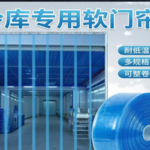
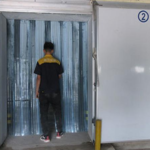
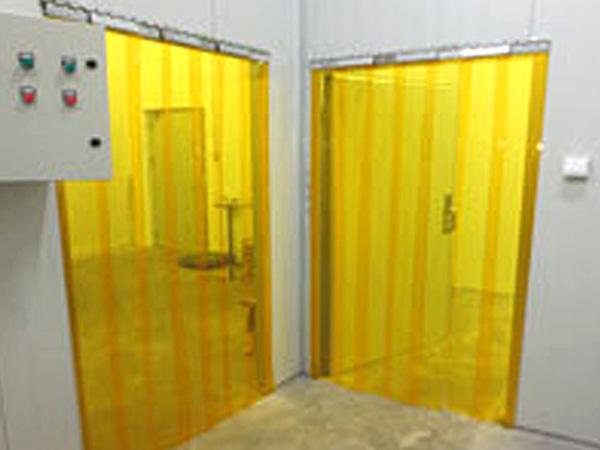
Hot air exchange reduces energy consumption, and it features multiple functions such as dustproofing, insect resistance, insulation, and soundproofing. Fixed frames such as galvanized, stainless steel, or aluminum alloy are used
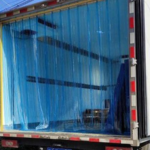
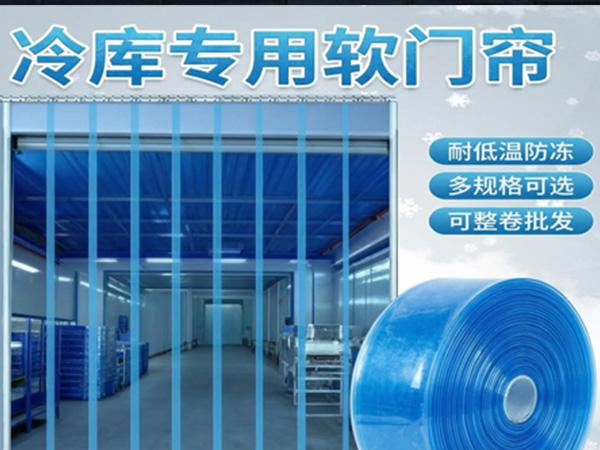
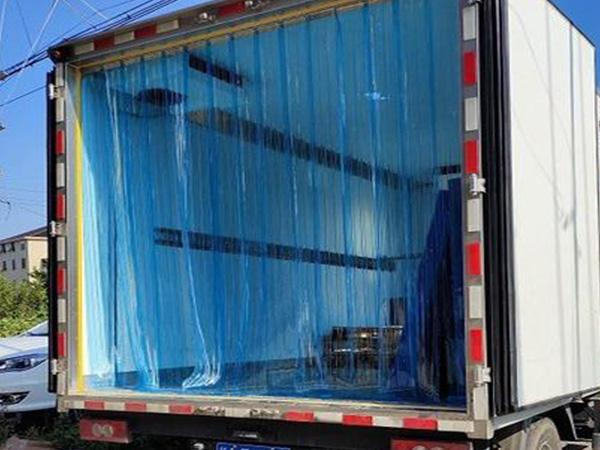
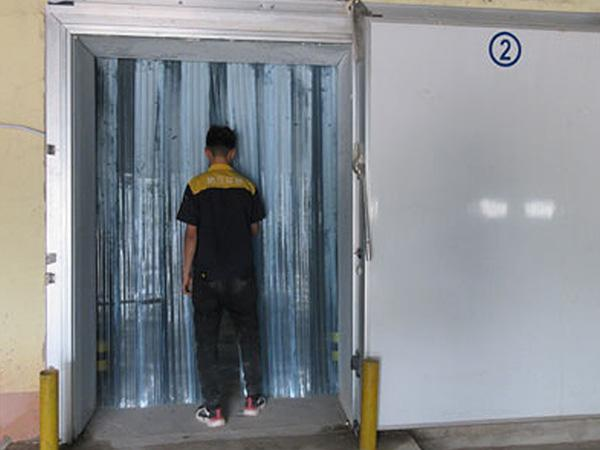
Low-temperature soft door curtains are flexible sealing devices specially designed for low-temperature environments (such as cold storage, refrigerated trucks, quick-freezing workshops, etc.). They are usually made of cold-resistant PVC material, which can remain soft and flexible at extremely low temperatures, effectively blocking cold
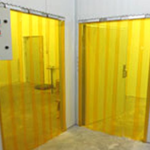
Soft door curtains feature modern automatic products, manufactured using a low-temperature formula process from 0°C to 65°C. There are two forms: flat and reinforced forms. Features include anti-sticking, softness, transparency, anti-aging, and minimal hardness change at low temperatures. Fixed frames such as galvanized, stainless steel, or aluminum alloy are used