Cold Storage PVC Strip Curtain

Cold Storage PVC Strip Curtain

Product Introduction

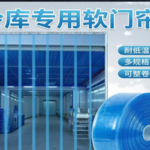
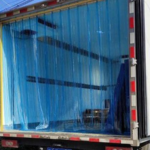
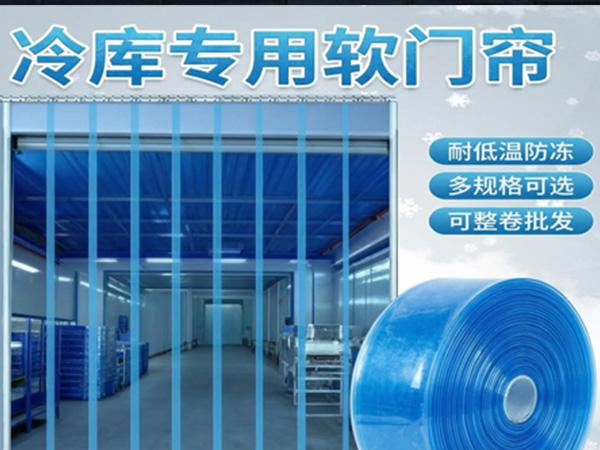
Hot air exchange reduces energy consumption, and it features multiple functions such as dustproofing, insect resistance, insulation, and soundproofing. Fixed frames such as galvanized, stainless steel, or aluminum alloy are used Low-temperature soft door curtains are flexible sealing devices specially designed for low-temperature environments (such as cold storage, refrigerated trucks, quick-freezing workshops, etc.). They are usually made of cold-resistant PVC material, which can remain soft and flexible at extremely low temperatures, effectively blocking cold Soft door curtains feature modern automatic products, manufactured using a low-temperature formula process from 0°C to 65°C. There are two forms: flat and reinforced forms. Features include anti-sticking, softness, transparency, anti-aging, and minimal hardness change at low temperatures. Fixed frames such as galvanized, stainless steel, or aluminum alloy are used


Application of the product

Typical application scenarios
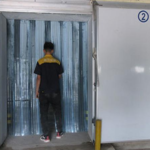
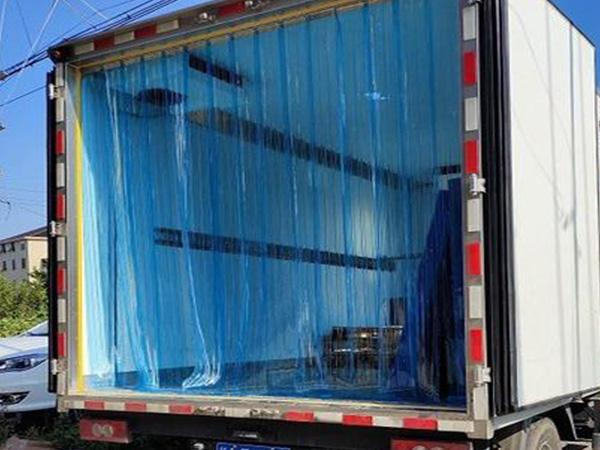
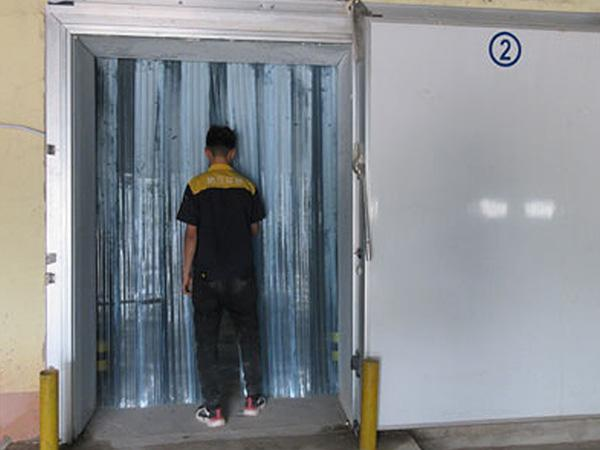
It is widely used in places with high temperature control requirements, such as food cold chain, pharmaceutical warehousing, chemical industry, supermarket freezers, logistics centers, and laboratories.
Usage recommendations
Avoid contact with: open flames, greases, and highly corrosive chemicals.
Cleaning and maintenance: Wipe with a damp cloth or special cleaning agent, avoiding direct sunlight and high-temperature exposure.
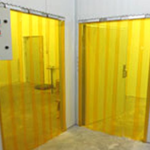
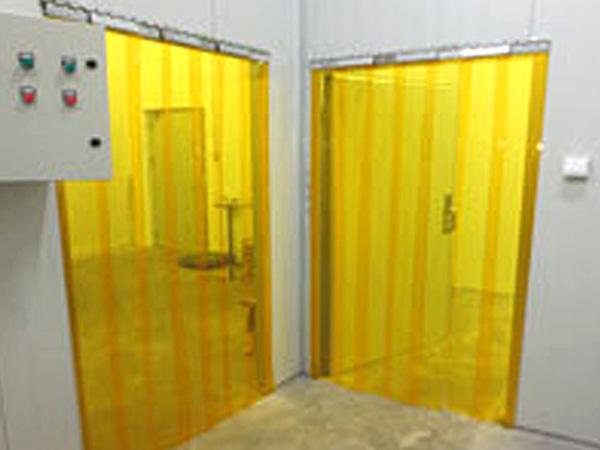
Customization requirements: Most products support customization of size, color (such as transparent, light blue, orange, etc.) and thickness as needed

Product features

Strong low-temperature resistance:
Ordinary PVC becomes brittle and cracks at low temperatures, while low-temperature soft door curtains maintain flexibility within a range of -50°C to -10°C by adding cold-resistant plasticizers and optimizing molecular chain structures, making them less likely to break.
High transparency:
Most products feature transparent or semi-transparent designs, making it easy to observe the inside and outside of the door and enhancing operational safety.
Energy saving and high efficiency:
By enhancing airtightness through overlapping or magnetic designs, about 50% of cold air loss can be reduced, significantly lowering cooling energy consumption.